

Project Avance demonstrated barrel-scale ARC production from commercial fast pyrolysis oils derived from forestry residues. The campaign focused on the final unit operation in Alder’s process, showing consistent performance across different commercial pyrolysis feedstocks and supporting a flexible pathway to refinery integration and scale-up.
Some milestones are about proving a process can run. Others are about showing that it can work across real commercial feedstocks. Project Avance demonstrates both.
Through our collaboration with Bioénergie AE Côte-Nord, supported by Boeing, Alder has advanced the production of Alder Renewable Crude (ARC) from commercially produced fast pyrolysis oils derived from forestry residues.
The latest campaign focused on the final unit operation in Alder’s process and produced barrel-scale quantities of ARC using commercial fast pyrolysis oil sourced from both Canada and Sweden. The results were consistent with Alder’s performance targets and process modeling, while demonstrating that the process can accommodate commercially relevant feedstocks produced by different fast pyrolysis systems.
That distinction matters for scale-up. Alder’s commercial strategy is designed to integrate with existing fast pyrolysis assets rather than depend on a single upstream technology or greenfield configuration. Demonstrating ARC production across multiple commercial pyrolysis oils helps validate that model.
Project Avance is built around a pragmatic commercial model:
These structural advantages are designed to support a cost-competitive pathway to advanced fuels by combining abundant forestry residues, existing pyrolysis infrastructure, and existing refinery assets.
Project Avance adds another important piece of scale-up evidence by demonstrating barrel-scale ARC production across multiple commercial pyrolysis oils.
We’re grateful to the teams and partners helping move this work forward.
Building momentum with technology validation, strategic partnerships, and new projects
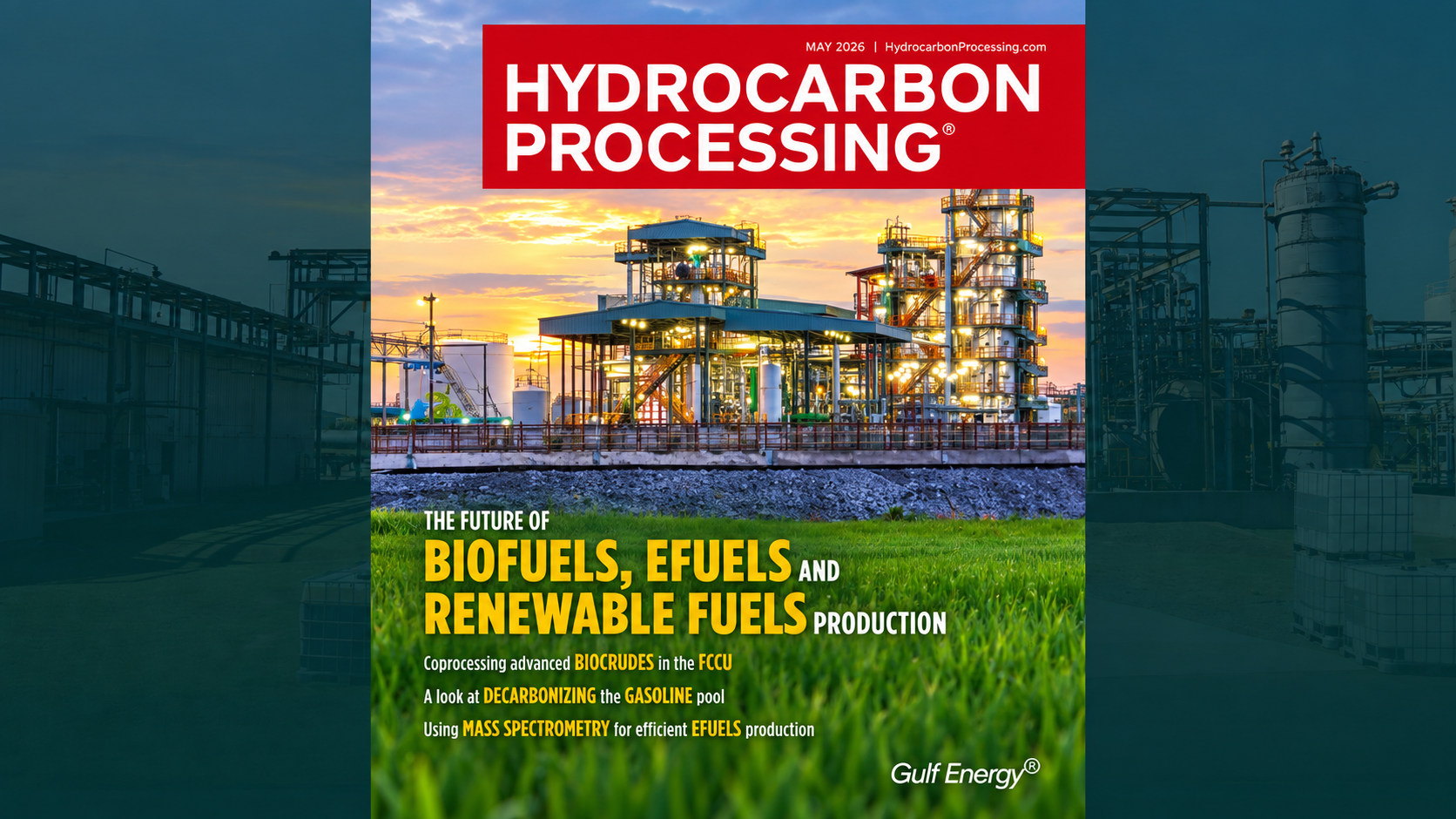
Alder, BASF, National Laboratory of the Rockies, and North Atlantic Refining co-authored a new Hydrocarbon Processing article on coprocessing Alder Renewable Crude in fluid catalytic crackers. The work highlights a practical pathway to produce renewable fuels by integrating ARC into existing refinery FCC units, with improved handling, storage stability, and strong product yields.
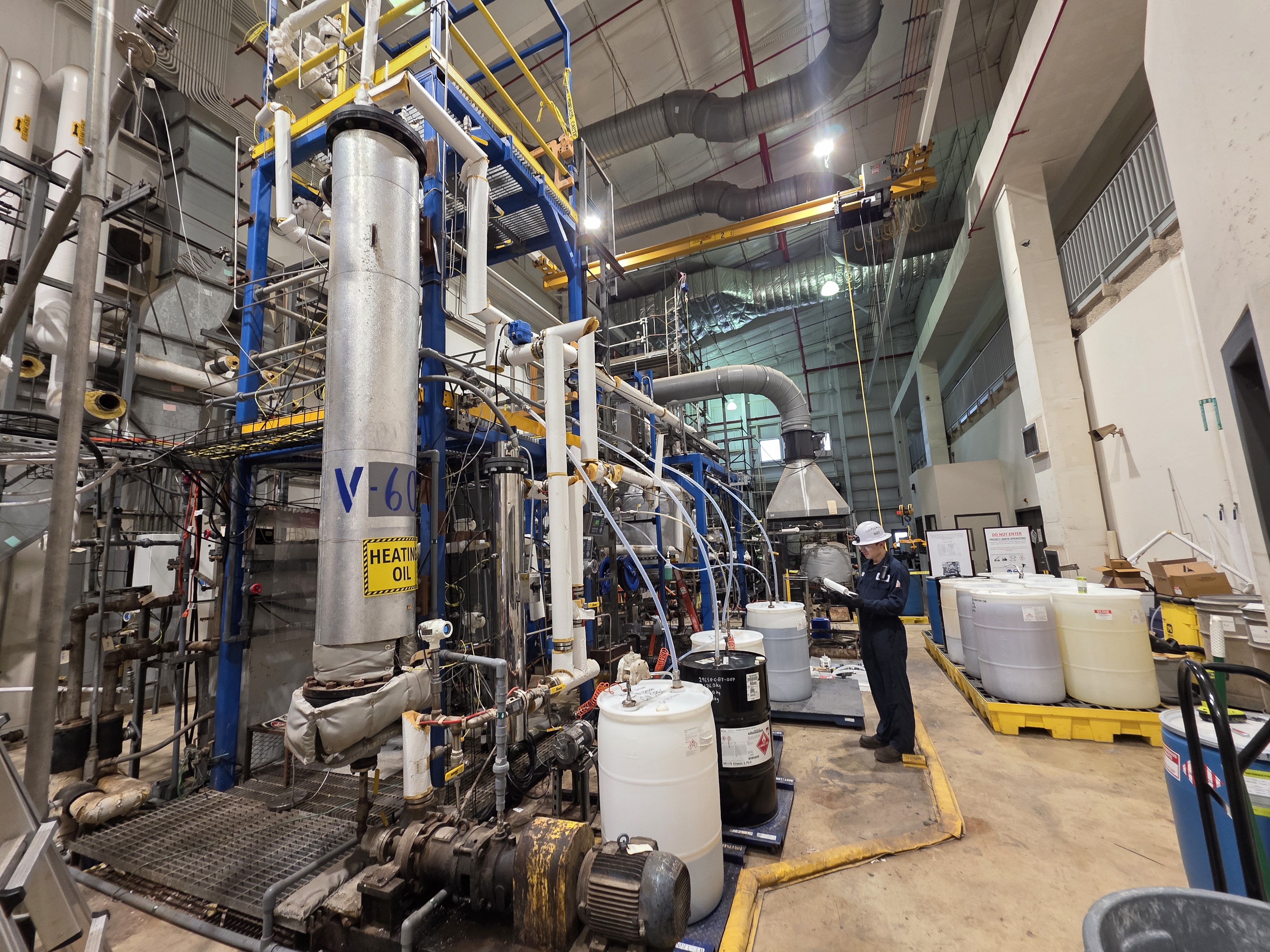
Project Avance demonstrated barrel-scale ARC production from commercial fast pyrolysis oils derived from forestry residues. The campaign focused on the final unit operation in Alder’s process, showing consistent performance across different commercial pyrolysis feedstocks and supporting a flexible pathway to refinery integration and scale-up.
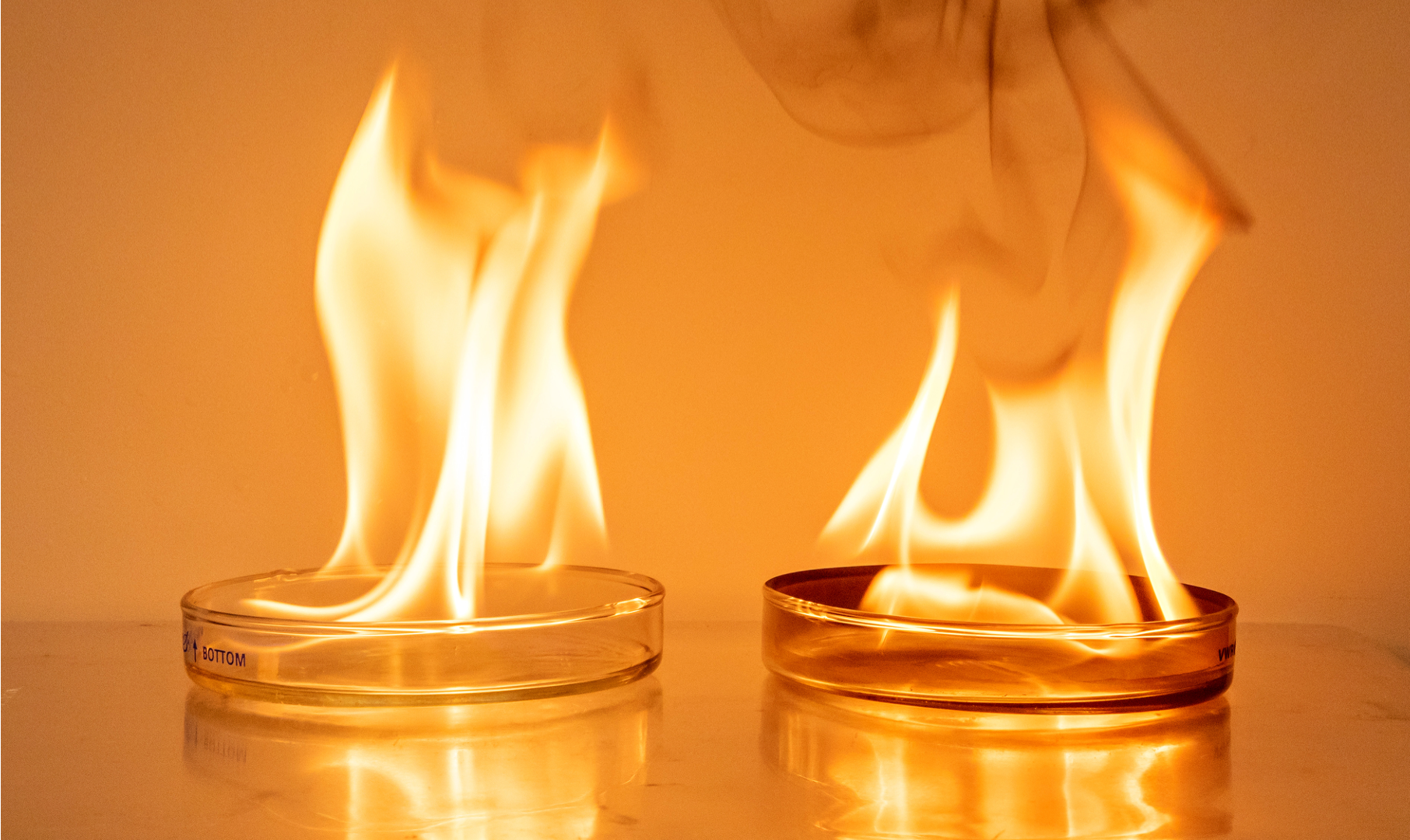
Alder SAF100 demonstrated a 100% biogenic jet-fuel blend using hydrotreated Alder Renewable Crude (ARC) as the majority component with a smaller share of HEFA-SAF. Testing showed favorable energy density and low-temperature properties, highlighting the potential for ARC-derived hydrocarbons to support next-generation SAF production.


All rights reserved