

In partnership with the University of Illinois and AGgrow Tech, we produced Alder SAF100 using Alder Renewable Crude (ARC) derived from miscanthus. This purpose-grown perennial feedstock enables carbon-negative jet fuel that outperforms conventional SAF. Miscanthus cultivation enriches soils, boosts carbon storage, and reduces fertilizer needs, positioning it as a powerful regenerative agriculture feedstock for scaling SAF.
Biomass Matters: Why Feedstock Choice Defines Sustainability
At Alder Renewables, our technology is built on a simple foundation: biomass. The sustainability and carbon intensity (CI) of our fuels depend on the quality of the feedstocks we use. While residues like sawdust or crop waste already deliver major greenhouse gas savings, purpose-grown energy crops offer the potential to go even further—improving soil health, storing atmospheric carbon below ground, and unlocking the possibility of carbon-negative fuels.
Miscanthus: A Perennial Crop for Carbon Storage
Miscanthus is a perennial grass that stores roughly half of its captured carbon below ground in extensive root systems, while requiring little irrigation, tilling, or fertilizer once established. Every ton harvested is matched by nearly a ton stored underground. This regenerative cycle enriches soils, reduces nutrient runoff, and builds long-term carbon reserves, aligning agriculture with decarbonization.
Field-to-Fuel Demonstration
Through a U.S. DOE Bioenergy Technologies Office award, Alder and its partners demonstrated a full miscanthus-to-fuel pathway:
Key Results
Looking Ahead
Miscanthus-derived Alder SAF100 shows how purpose-grown energy crops can help aviation achieve not just low-carbon, but potentially carbon-negative fuel pathways. By integrating regenerative agriculture with advanced biocrude upgrading, we can decarbonize aviation while improving soils and reshaping land use for the better.
Building momentum with technology validation, strategic partnerships, and new projects

We are proud to announce that Stephen Schueler, former Chief Commercial Officer at A.P. Moller - Maersk, has joined the company as a Strategic Advisor and Shareholder. Stephen currently serves as Managing Director, Green Transition, Investment Advisory Board at European Maritime Finance, focusing on sustainable shipping investment strategies. He is on multiple leading global boards as a shareholder and trusted advisor.

Alder Renewables, BASF, National Laboratory of the Rockies, and North Atlantic Refining co-authored a new Hydrocarbon Processing article on coprocessing Alder Renewable Crude in fluid catalytic crackers. The work highlights a practical pathway to produce renewable fuels with existing refinery assets, improved handling, better storage stability, strong yields, and biogenic carbon integration for today’s energy infrastructure at commercial scale globally.
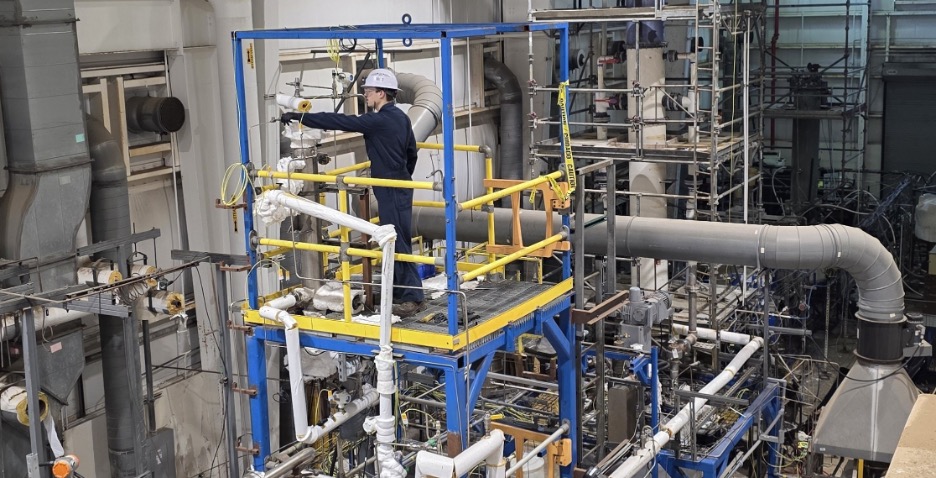
Project Avance demonstrates a scalable, cost‑effective path to advanced biofuels by converting forestry residues into refinery‑ready ARC. The pilot campaign met performance targets, showing scientific and operational progress. By leveraging existing pyrolysis and refinery infrastructure, the approach reduces costs, enhances energy security, and proves abundant biomass can deliver viable low‑carbon fuels.


All rights reserved